
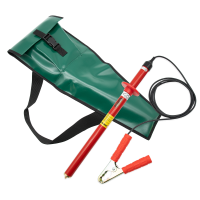



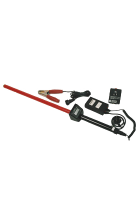
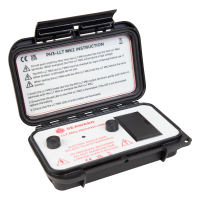
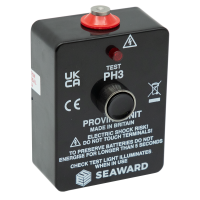
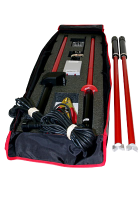
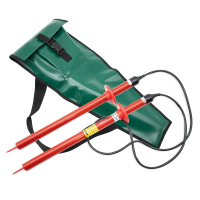

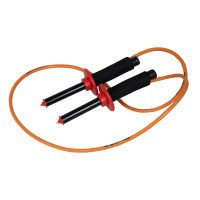



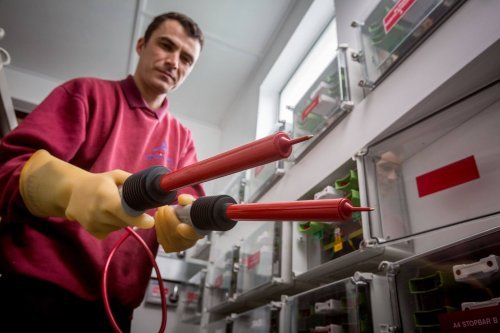
What is High Voltage Testing? High voltage refers to circuits and equipment operating above 1000V AC or 1500V DC, commonly found in electrical distribution networks with systems running at 11kV, 33kV, 132kV, and even 400kV.
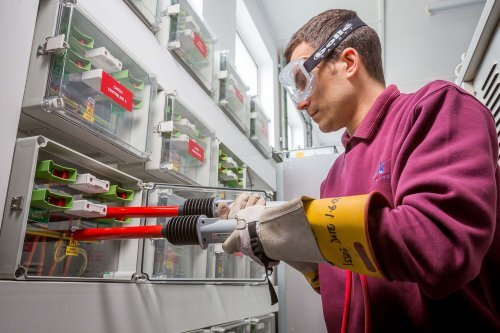
How to Carry Out High Voltage Testing? High voltage testing follows strict standards and procedures, often set by generation companies or distribution network operators. These form the foundation of staff safety training, starting with the essential practice of safe isolation.
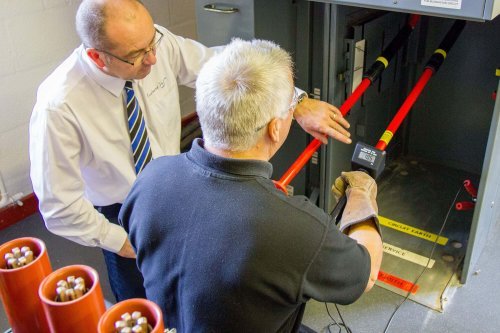
The most common high voltage test is voltage detection or indication—verifying whether voltage is present in a specific part of the system. This ensures safety, prevents accidents, and supports reliable maintenance operations.
What is High Voltage Testing?
High voltage refers to circuits and equipment operating above 1000V AC or 1500V DC, commonly found in electrical distribution networks with systems running at 11kV, 33kV, 132kV, and even 400kV.
High voltage testing follows strict standards and procedures, often set by generation companies or distribution network operators. These form the foundation of staff safety training, starting with the essential practice of safe isolation.
Why Carry Out High Voltage Testing? The most common high voltage test is voltage detection or indication—verifying whether voltage is present in a specific part of the system. This ensures safety, prevents accidents, and supports reliable maintenance operations.


